
Choosing the Right LLM Agent for Your Workflow: A Practical Comparison of Autonomous Agents, Copilots, and Toolchains
As we delve into the world of AI, the methods for integrating these technologies into our workflows abound. Today, choosing the right large language model (LLM) agent can significantly impact productivity and effectiveness. From autonomous agents to copilots and toolchains, the options can be overwhelming. Understanding these choices is crucial for optimizing your workflow and achieving better results. In this article, we’ll clarify what these terms mean and how to select the best option for your specific needs.
Estimated Reading Time: 8 minutes
- Key Takeaway 1: Autonomous agents operate independently but may struggle with adaptability.
- Key Takeaway 2: Copilots enhance human capabilities and creativity within workflows.
- Key Takeaway 3: Toolchains provide integrated solutions but require management complexity.
- Key Takeaway 4: A needs assessment is vital for selecting the right LLM agent.
- Key Takeaway 5: Pilot testing can ensure that chosen agents fit seamlessly into existing workflows.
Table of Contents
- Context and Challenges
- Solution / Approach
- Concrete Example / Case Study
- Frequently Asked Questions (FAQ)
- Authority References
- Conclusion
Context and Challenges
As organizations strive to harness the power of AI, they often face a complex environment rife with challenges. The term LLM agent encompasses a variety of AI-driven tools that can assist in tasks ranging from data analysis to content creation. Each type of agent has its strengths and weaknesses, which are critical to map out before implementation:
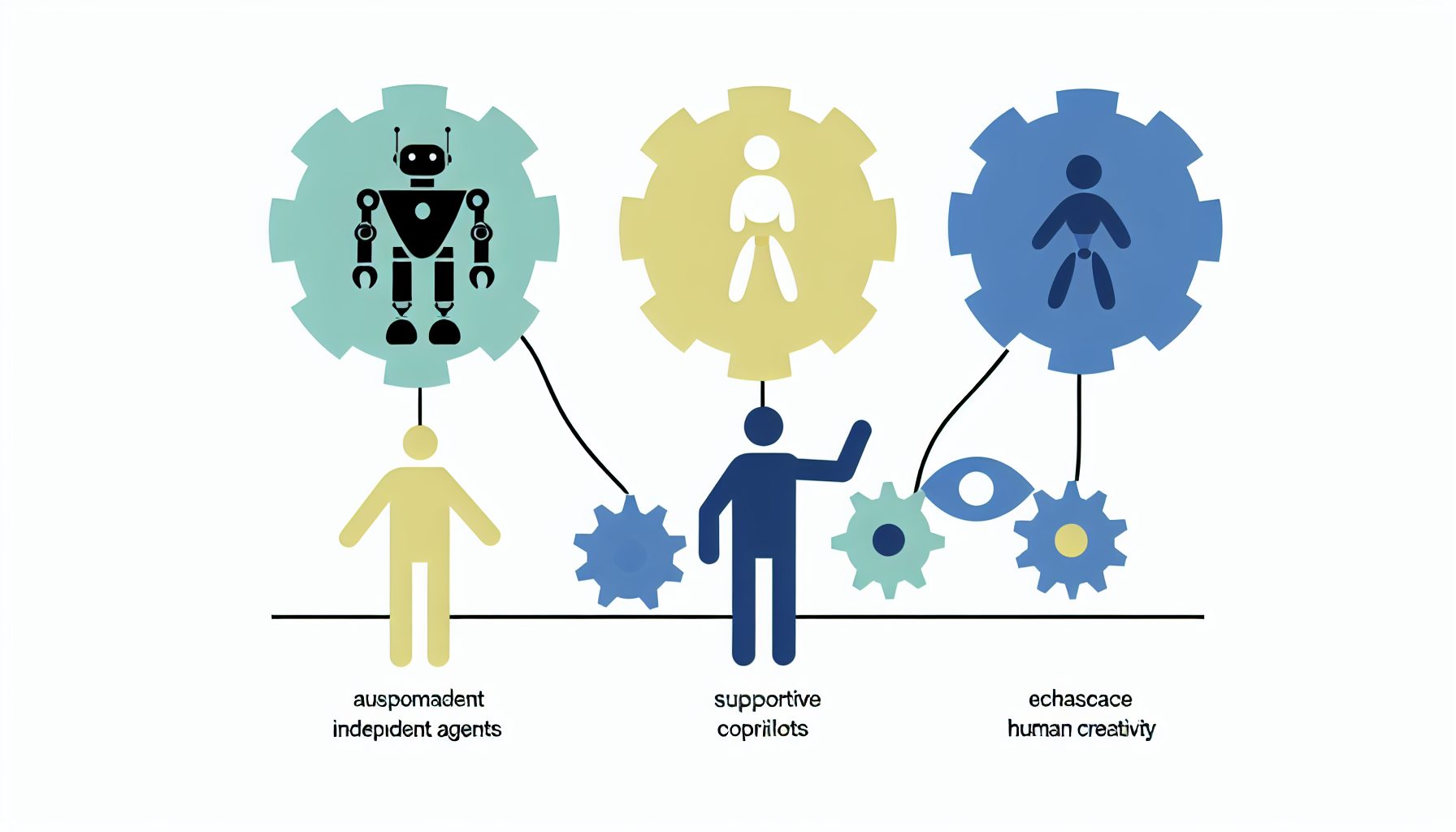
- Autonomous Agents: These agents operate independently, making decisions based on predefined algorithms. They are often used for repetitive tasks but may struggle with adaptability, limiting their effectiveness in dynamic environments.
- Copilots: These are AI-assisted tools designed to work alongside a human user, enhancing their capabilities and improving efficiency. They excel in providing suggestions but require human input to function optimally.
- Toolchains: Combinations of multiple AI tools and resources integrated into a single workflow. They offer greater flexibility, catering to complex tasks, but can be complicated to manage effectively.
Understanding these definitions helps frame the discussion around LLM agents in the context of your workflows. Many organizations experience pain points such as inefficient processes, lack of adaptability, or high operational costs. Recognizing these challenges is the first step in leveraging AI successfully.
Solution / Approach
The key to choosing the right LLM agent is to assess your specific workflow needs and the challenges you face. There’s no one-size-fits-all solution; the correct agent is contingent upon your operational goals. For those primarily looking to automate repetitive tasks, an autonomous agent may be appropriate. On the other hand, for teams needing collaboration tools to foster creativity and insights, copilots may be beneficial. If your projects require diverse capabilities, a comprehensive toolchain may be worth exploring.
When considering a toolchain, you may want to explore resources that provide insights into AI agents and automation. For example, reliable information can be found at Agent AI News, where trends and product comparisons are continually updated.
In practice, the flow typically begins with a thorough needs assessment followed by pilot testing several agents before making a firm commitment. This iterative approach ensures a better fit to your existing workflow and helps identify any potential obstacles early on.
Concrete Example / Case Study
Let’s illustrate this with a practical example involving a small marketing team. They were experiencing bottlenecks in content creation, as team members often struggled with generating engaging copy consistently.
After assessing their needs, they decided to implement a copilot—an advanced AI writer that could assist their team of content creators. Over a month, they had the AI suggest initial drafts, propose headlines, and improve grammar. The copilot learned from the team’s feedback, allowing it to adapt and produce increasingly relevant and engaging content.
The results were striking. The team improved output by 40%, freeing members to focus on strategy and creative direction rather than mundane tasks. This example showcases how leveraging the right LLM agent can transform productivity while enhancing the quality of work.
Frequently Asked Questions (FAQ)
What factors should I consider when choosing an LLM agent?
Key factors include your specific workflow requirements, the types of tasks you want the agent to handle, integration capabilities with existing systems, and the adaptability of the agent to your unique needs.
Can autonomous agents learn from their experiences?
Typically, autonomous agents are designed for stability and don’t learn from experiences as humans do. However, some newer models are incorporating machine learning methods to adapt over time within predefined limits, improving their functionality.
Are copilots suitable for every industry?
While copilots are versatile and can assist in many sectors, their effectiveness varies. Industries that require creativity, such as marketing or content creation, can benefit significantly from copilots, whereas highly specialized technical fields may require tailored solutions that consider specific context and workflows.
Authority References
For additional reading on large language models and AI integration, check out these authoritative sources:
Conclusion
Choosing the right LLM agent for your workflow requires careful consideration. By understanding the differences between autonomous agents, copilots, and toolchains, you can make an informed decision that enhances productivity and meets your operational goals. The practical insights shared here aim to guide you smoothly through the selection process, ensuring you harness the full potential of AI in your environment.


Leave a Reply