
ChatGPT Prompts for Multi-Agent Workflows: A Practical Comparison of Copilots, Orchestrators, and Alternatives
As the digital landscape evolves, organizations increasingly turn to AI agents to enhance productivity and streamline workflows. Among the cutting-edge solutions available, ChatGPT has emerged as a powerful tool for creating multi-agent systems, where various AI components work together to achieve specific tasks. This article will explore practical ChatGPT prompts that facilitate effective multi-agent workflows by comparing the roles of copilots, orchestrators, and viable alternatives.
Estimated Reading Time: 8 minutes
Key Takeaways:
- Understanding the roles of copilots and orchestrators is crucial for implementing multi-agent workflows effectively.
- Challenges such as integration issues, coordination overhead, and quality control must be addressed in AI deployments.
- A structured communication strategy is vital for enhancing productivity among AI agents.
- Real-world case studies demonstrate the benefits of multi-agent systems in various workflows.
- Tools and platforms are available to facilitate the implementation of these workflows.
Table of Contents
- Context and Challenges
- Solution / Approach
- Concrete Example / Case Study
- FAQ
- Authority References
- Conclusion
Context and Challenges
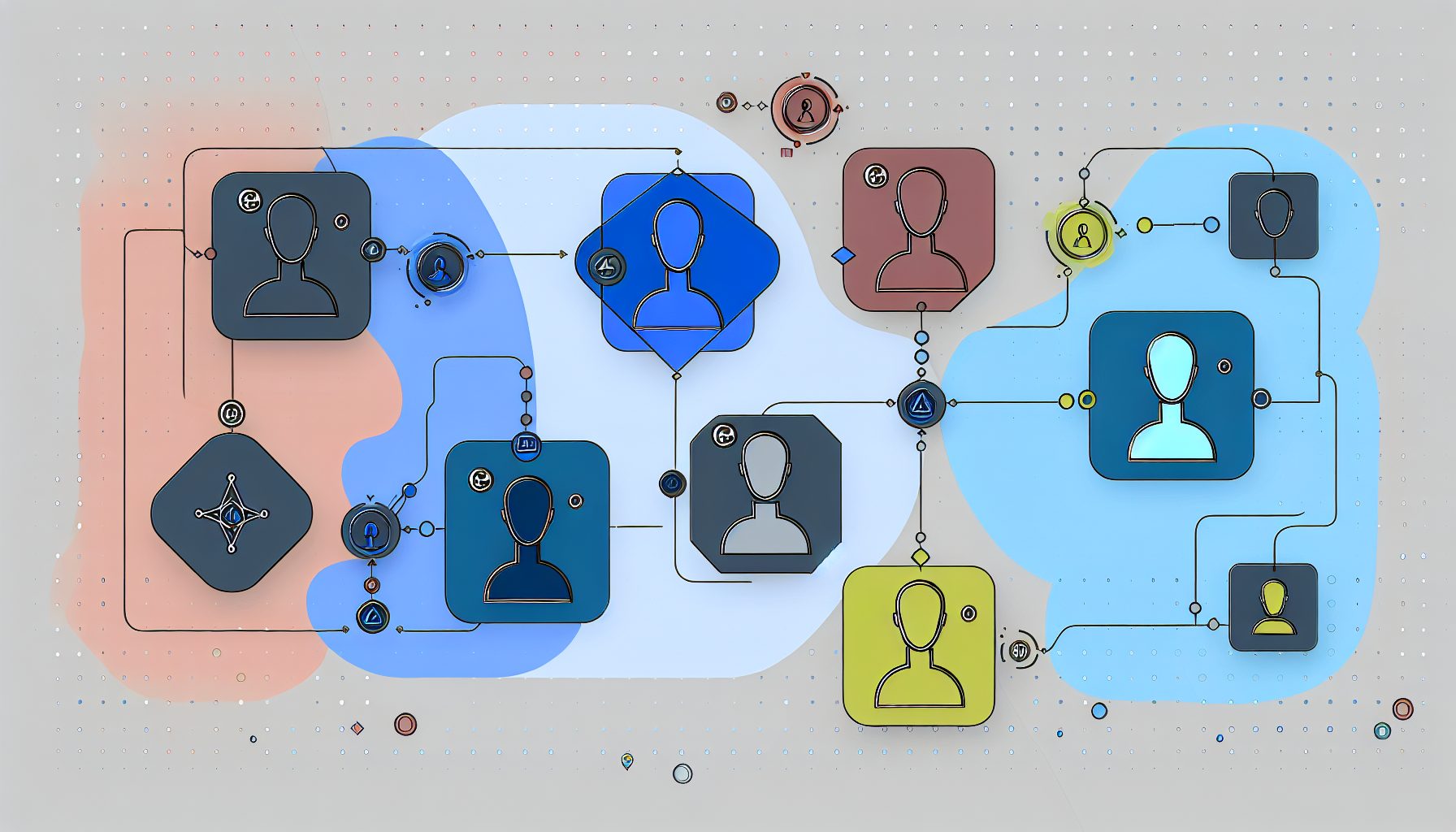
Multi-agent workflows refer to systems where multiple AI agents collaborate to achieve a common goal. In this environment, each agent has a specific role and functionality, creating a dynamic ecosystem capable of handling complex tasks. However, organizations face several challenges when implementing these systems, including:
- Integration issues: Different agents may require different inputs and outputs, leading to potential compatibility problems.
- Coordination overhead: Ensuring that agents communicate effectively can be time-consuming and resource-intensive.
- Quality control: Without a proper orchestration mechanism, the output quality can vary significantly from one agent to another.
To navigate these challenges, organizations need to understand key concepts such as the distinctions between copilots and orchestrators, as well as alternative approaches that can facilitate an effective multi-agent workflow.
Solution / Approach
When designing multi-agent workflows, it’s crucial to determine the right architecture based on specific needs. The main players in this ecosystem are:
- Copilots: These AI agents assist users in performing tasks by providing real-time suggestions and feedback. They improve productivity by acting as intelligent assistants.
- Orchestrators: These agents manage and coordinate the actions of multiple copilots and other agents to ensure seamless workflow execution.
- Alternative agents: These might include specialized AIs that serve niche functions, acting independently or in conjunction with the primary agents.
Implementing these agents effectively requires a clear strategy for interaction and data flow. A structured approach not only facilitates communication between agents but also optimizes their respective performances. To explore successful AI agent workflows further, check out Agent AI News, which delves into the automation of these systems.
Concrete Example / Case Study
Consider a marketing team that aims to streamline their campaign planning process using a multi-agent workflow. Here’s how they might implement it:
- Define roles: The team identifies a copywriting copilot to draft content, a design copilot for visuals, and a project management orchestrator to oversee progress.
- Establish communication: The orchestrator facilitates data sharing between the copywriting and design copilots, ensuring that timelines and content align.
- Monitor and adjust: As the team works, they gather feedback from the orchestrator on the performance of each copilot, refining roles and responsibilities based on real-time insights.
As a result, the marketing team not only enhanced their productivity but also delivered a coherent campaign that was well-received by their audience. Each agent, working in concert, proved to be valuable to the overall success.
FAQ
What are the main differences between copilots and orchestrators?
Copilots assist users by providing suggestions or executing specific tasks, whereas orchestrators manage and coordinate the interactions between multiple agents to ensure a harmonious workflow.
How can I determine which agents to include in my workflow?
Identify your specific needs. Evaluate the complexities of your tasks and choose agents that can cover the requisite roles effectively, ensuring that their functionalities complement each other.
What tools facilitate the implementation of multi-agent workflows?
Platforms that integrate AI capabilities, such as workflow automation tools or specialized communication software, can be highly effective in implementing multi-agent workflows. Research your options based on your specific use cases.
Authority References
For more in-depth understanding and information on AI agents, consider exploring the following resources:
Conclusion
In conclusion, understanding and implementing multi-agent workflows using ChatGPT and other AI agents can significantly enhance organizational efficiency. By thoughtfully comparing the roles of copilots and orchestrators, along with exploring alternatives, teams can create powerful systems tailored to their unique requirements. Embrace this opportunity to elevate your operational capabilities and harness the full potential of AI agents in your workflows.


Leave a Reply