
Autonomous Agent Platforms for Task Automation: A Practical Comparison of Agent Workflows, Orchestration, and Toolchains
In an age where efficiency and precision are paramount, autonomous agent platforms have emerged as powerful tools for task automation. These systems are designed to carry out tasks with minimal human intervention, allowing organizations to streamline processes and enhance productivity. But with a plethora of options available, making an informed choice can be daunting. In this article, we will delve into the landscape of autonomous agent platforms, exploring their workflows, orchestration capabilities, and toolchains to provide a holistic view of your options.
Estimated Reading Time: 7 minutes
- Understand the architecture and components of autonomous agent platforms.
- Identify key considerations when evaluating different platforms.
- Explore real-world applications through a case study.
- Learn key metrics for measuring the effectiveness of automation.
- Find authority references for deeper insights.
Context and Challenges
Before we dive into the specifics, it’s essential to understand what autonomous agents are. Typically, these are software programs that perform tasks autonomously based on predefined triggers or learned behaviors. They can analyze data, make decisions, and interact with other systems to accomplish their goals.
The challenge lies in selecting the right platform tailored to an organization’s unique needs. Factors to consider include:
- Complexity of tasks: Some platforms are better suited for handling intricate workflows than others.
- Integration capabilities: The ability to seamlessly integrate with existing tools and systems is crucial.
- Scalability: As needs evolve, the chosen solution must adapt without significant disruption.
- User-friendliness: Non-technical users should find the interface approachable.
These considerations highlight the importance of understanding both the potential and limitations of various autonomous agent platforms. Ignoring them could lead to inefficient automation and wasted resources, making it vital to weigh your options carefully.
Solution / Approach
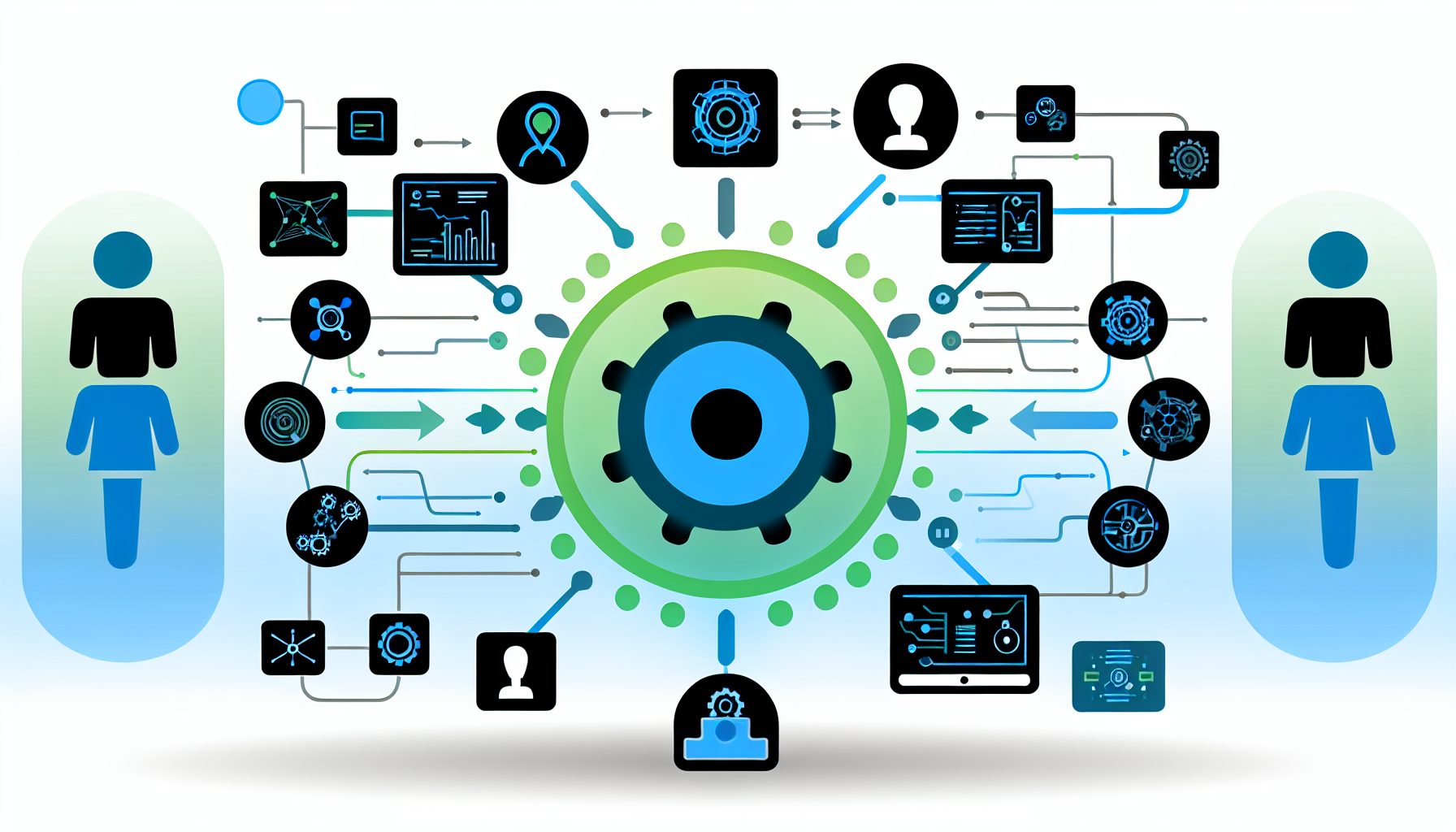
The first step in navigating the landscape of autonomous agent platforms is recognizing their architecture. Most systems consist of three layers: the agent layer, the orchestration layer, and the toolchain layer.
The agent layer is where the actual automation happens. Agents in this layer execute tasks and communicate with various systems. Depending on the platform, these agents may also be capable of learning from past actions and refining their processes over time.
The orchestration layer manages the coordination between multiple agents and external systems. This layer ensures that tasks flow smoothly from one agent to another and that dependencies are respected. It is responsible for scheduling tasks, maintaining state, and providing visibility into ongoing processes.
Finally, the toolchain layer encompasses the various tools and services used by agents, which may include APIs for external applications, database connections, and other resources needed to complete tasks efficiently.
An excellent resource for exploring practical AI agent workflows is Agent AI News, which provides insights and updates on the latest developments in the field. Understanding these components will help you evaluate different platforms based on how well they align with your organization’s goals.
Concrete Example / Case Study
To illustrate the practical applications of autonomous agent platforms, consider a hypothetical scenario involving an e-commerce company. The company is struggling to manage its inventory due to varying demand levels throughout the year. They decide to implement an autonomous agent platform to optimize their inventory management process.
First, the company deploys agents that monitor sales data and inventory levels in real-time. These agents analyze trends and predict when products are likely to run low based on historical data. When a product reaches a predefined threshold, the agent notifies the orchestration layer, which then triggers a replenishment process.
The orchestration layer coordinates communication between the inventory agents and the procurement system, placing orders with suppliers automatically. This workflow reduces the need for manual intervention, allowing staff to focus on strategic tasks rather than routine inventory updates.
As an additional benefit, the continuous feedback loop helps the agents refine their predictions, leading to improved inventory efficiency over time. The company experiences a noticeable decrease in stockouts and an overall enhancement in operational efficiency.
How Autonomous Agent Platforms Work
Autonomous agent platforms enable organizations to automate complex workflows through a structured process. Initially, agents are configured to understand the specific requirements of tasks they are assigned. Here’s a closer look at how these platforms operate:
- Initialization: The agents are set up with necessary parameters and trained on relevant data to ensure effective performance.
- Execution: Upon activation, agents start executing their designated tasks based on pre-defined rules or machine learning models.
- Monitoring: Performance metrics are continually monitored to ensure agents are performing as expected.
- Learning: Agents utilize algorithms to improve their task performance by analyzing data from previous executions.
- Reporting: Outcomes and performance reports are generated to assess efficiency and areas of improvement.
Evaluation Matrix for Autonomous Agent Platforms
| Criteria | Platform A | Platform B | Platform C |
|---|---|---|---|
| Task Complexity | High | Medium | Low |
| Integration Capabilities | Extensive APIs | Moderate APIs | Limited APIs |
| Scalability | High | Medium | Low |
| User-Friendliness | Advanced UI | User-Friendly UI | Basic UI |
| Cost | High | Medium | Low |
FAQ
1. What are the key differences between various autonomous agent platforms?The differences often lie in agent capabilities, integration options, scalability, user interfaces, and the depth of their orchestration features. Comparing these factors against your specific use case will help identify the right solution.
2. Can autonomous agents be integrated with existing workflows?Yes, many autonomous agent platforms are designed to integrate with existing systems via APIs or connectors, thereby enhancing their functionality rather than requiring a complete overhaul of current processes.
3. How do I measure the effectiveness of an autonomous agent implementation?Key performance indicators (KPIs) can include task completion times, error rates, and overall process efficiency. Regularly reviewing these metrics post-implementation will provide insights into how well the agents are performing their designated tasks.
Authority References
Conclusion
In conclusion, autonomous agent platforms have the potential to revolutionize how organizations approach task automation, but careful consideration is vital when choosing the right solution. By understanding the distinct workflows, orchestration capabilities, and toolchain integration points, you can ensure that the platform you select aligns with your operational goals. The e-commerce case study illustrates the tangible benefits these systems can provide when implemented thoughtfully. Embrace the possibilities of automation, and explore how these technologies can enhance your efficiency and productivity.


Leave a Reply