
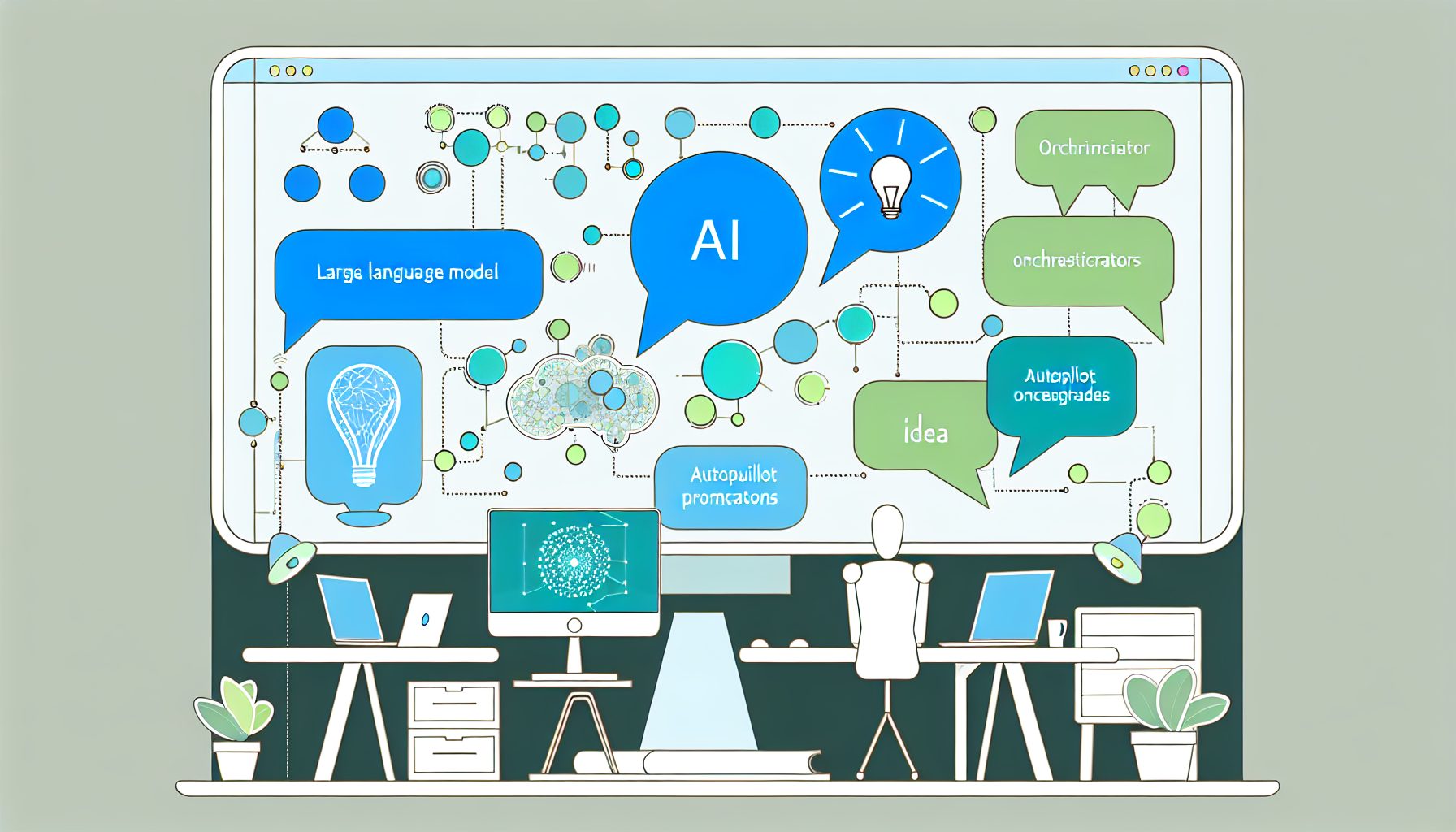
Choosing the Right AI Agent for Your Workflow: A Practical Comparison of LLM Agents, Orchestrators, and Copilot Prompts
As businesses become increasingly reliant on artificial intelligence, choosing the right AI solution for your workflow is essential. This article provides a deep dive into the various types of AI agents—Large Language Models (LLMs), orchestrators, and copilot prompts—equipping you with the knowledge to enhance operational efficiency and drive innovation.
Estimated Reading Time: 8 minutes
- Understand the key functionalities of different AI agents.
- Learn how to assess your specific workflow needs.
- Explore a practical evaluation framework for choosing AI tools.
- Review a case study demonstrating successful implementation.
- Find out how to mitigate risks associated with AI agents.
Table of Contents
- Context and Challenges
- Solution / Approach
- Concrete Example / Case Study
- FAQ
- Authority References
- Conclusion
Context and Challenges
The landscape of AI agents is expansive, encompassing technologies like Large Language Models (LLMs), orchestrators, and copilot prompts. Each type brings unique functionalities, advantages, and challenges, making the selection process complex. Understanding these nuances is essential for informed decision-making.
Large Language Models (LLMs) are proficient at natural language understanding and generation, aiding tasks such as content creation, customer support, and more. In contrast, orchestrators act as intermediaries that manage various AI tools, integrating them into a cohesive workflow. Copilot prompts enhance user experience by offering real-time suggestions based on user input.
The stakes in making the right AI selection include operational efficiency, cost-effectiveness, and the ability to effectively manage user expectations. Poor choices can result in wasted resources, misalignments in project goals, and missed opportunities for innovation.
Solution / Approach
A practical approach to navigating your decision-making process involves assessing your specific workflow needs and aligning them with the capabilities of various AI agents. Here’s a structured way to approach this:
- Identify Your Workflow Needs: Start by conducting an audit of your current workflow. Identify repetitive tasks, common error-prone areas, and primary objectives for integrating an AI agent.
- Evaluate AI Agents: Articulate your needs and assess the three main types of AI agents:
- LLM Agents: Best for tasks requiring natural language processing, content generation, or chat interactions.
- Orchestrators: Ideal for organizations needing to streamline integrations across multiple AI tools, ensuring efficient communication.
- Copilot Prompts: Useful for enhancing user experience and productivity by offering real-time suggestions and simplifications.
- Test and Iterate: Select a few potential solutions and conduct pilot testing to find which AI agent best fits within your operational environment.
By following this comprehensive approach, organizations can determine which type of AI agent aligns best with their objectives. For further insights into practical AI agent workflows, consider exploring Agent AI News, a resource rich with articles and guidance on selecting the right tools for automation.
Concrete Example / Case Study
Consider a mid-sized marketing firm that struggled with producing consistent content across diverse client projects. The team identified that content creation was time-consuming and often inconsistent in tone and style. They conducted a needs analysis and discovered:
- Client projects varied significantly concerning required content.
- Team members spent a substantial portion of their time on initial drafts and revisions.
After evaluating options, the firm decided to implement a combination of LLM agents for content drafting and an orchestrator to integrate these drafts into their content approval workflow. This approach enabled team members to receive quick content suggestions based on successful past projects, significantly streamlining production and allowing more time for creative brainstorming.
The outcome was remarkable. The firm reported a 50% reduction in content turnaround time and improved overall client satisfaction due to increased consistency in tone across projects. Key lessons included the importance of continuous monitoring and adapting the chosen AI tools based on evolving client needs.
FAQ
- What are the key differences between LLM Agents, Orchestrators, and Copilot Prompts?
LLM Agents specialize in language tasks, Orchestrators manage connections between multiple AI systems, and Copilot Prompts support users by providing real-time suggestions to enhance productivity. - How can I determine which AI agent is right for my business?
Evaluate your specific workflow needs, assess the features of different types of agents, and conduct pilot tests to understand which tool integrates best within your operations. - Are there risks involved in using AI agents?
Yes, potential risks include misalignment with user expectations, over-reliance on automated systems, and challenges related to data privacy and security. It’s essential to have a strategy for oversight and adjustment in place.
Authority References
For further reading on the impact and implementation of AI agents, consider these authoritative resources:
Conclusion
Choosing the right AI agent for your workflow can significantly affect your organization’s efficiency and effectiveness. By understanding the different types of AI agents available and carefully evaluating your specific needs, you can make informed decisions that drive success. As technology continues to evolve, staying updated on practical applications and strategies regarding AI will ensure you harness its potential to the fullest.


Leave a Reply