
When a customer service inquiry about a specific product comes in, the prompt for the chatbot could be structured as follows:
“You are a customer service representative AI. If you cannot provide the answer, please connect the inquiry to either the inventory management agent or the order fulfillment bot for further assistance.”
This prompt effectively guides the chatbot to involve other agents rather than attempting to resolve every inquiry independently. For instance, if a customer inquires about stock levels, the chatbot seamlessly passes the request to the inventory agent, which provides real-time data.
The key insight from this scenario highlights the significance of well-structured agent communication. By engineering effective prompts, the organization was able to noticeably enhance response times and customer satisfaction, ultimately leading to a boost in sales.
FAQ
1. What are the main benefits of using multi-agent workflows?
Multi-agent workflows bring substantial efficiency improvements by allowing distinct AI agents to specialize in varied tasks, resulting in faster response times and a higher quality of service. Additionally, they facilitate better resource allocation by capitalizing on each agent’s unique strengths.
2. How do I know if my AI agents are communicating effectively?
Effective agent communication can be monitored through performance metrics and outcome analysis. A unified workflow should yield improvements in task completion rates, enhanced customer satisfaction, and reduced error rates. Implementing consistent feedback mechanisms can further help in adjusting prompts and strategies as needed.
3. Can I integrate multi-agent workflows into existing systems easily?
Indeed, integration is feasible, but it demands thoughtful planning and execution. It’s vital to assess your current system capabilities, identify any existing gaps, and strategically develop prompts to integrate new AI agents into your workflows for optimal compatibility.
Authority References
For further reading and in-depth exploration, consider referencing the following resources:
Conclusion
Creating efficient workflows that involve multiple AI agents may present a unique set of challenges; however, the potential benefits are transformative. By concentrating on well-structured prompts and enhancing inter-agent communication, businesses can unlock unprecedented levels of efficiency and service quality. Embark on the journey to explore the dynamics of your own AI agent workflows today—your operational efficiency and customer service quality will greatly benefit.
Agent AI Workflows: Designing ChatGPT Prompts to Orchestrate Multi-Agent Tasks
In an era where artificial intelligence (AI) systems are becoming increasingly sophisticated, their true potential lies in the ability to collaborate effectively. Agent AI workflows represent a pivotal shift in how we construct and utilize AI agents to manage complex multi-agent tasks efficiently. This comprehensive guide delves into crafting effective ChatGPT-based prompts that enable the orchestration of various agents in seamless workflows.
Estimated Reading Time: 7 minutes
Key Takeaways
- Understanding the fundamentals of Agent AI workflows is essential for optimizing task management.
- Meticulous prompt engineering is crucial for effective collaboration among AI agents.
- Well-structured communication among agents enhances efficiency and service quality.
- Continuous iteration and refinement of prompts lead to improved outcomes.
- Strategically integrating multi-agent workflows can optimize existing systems.
Table of Contents
- Context and Challenges
- Solution / Approach
- Concrete Example / Case Study
- FAQ
- Authority References
- Conclusion
Context and Challenges
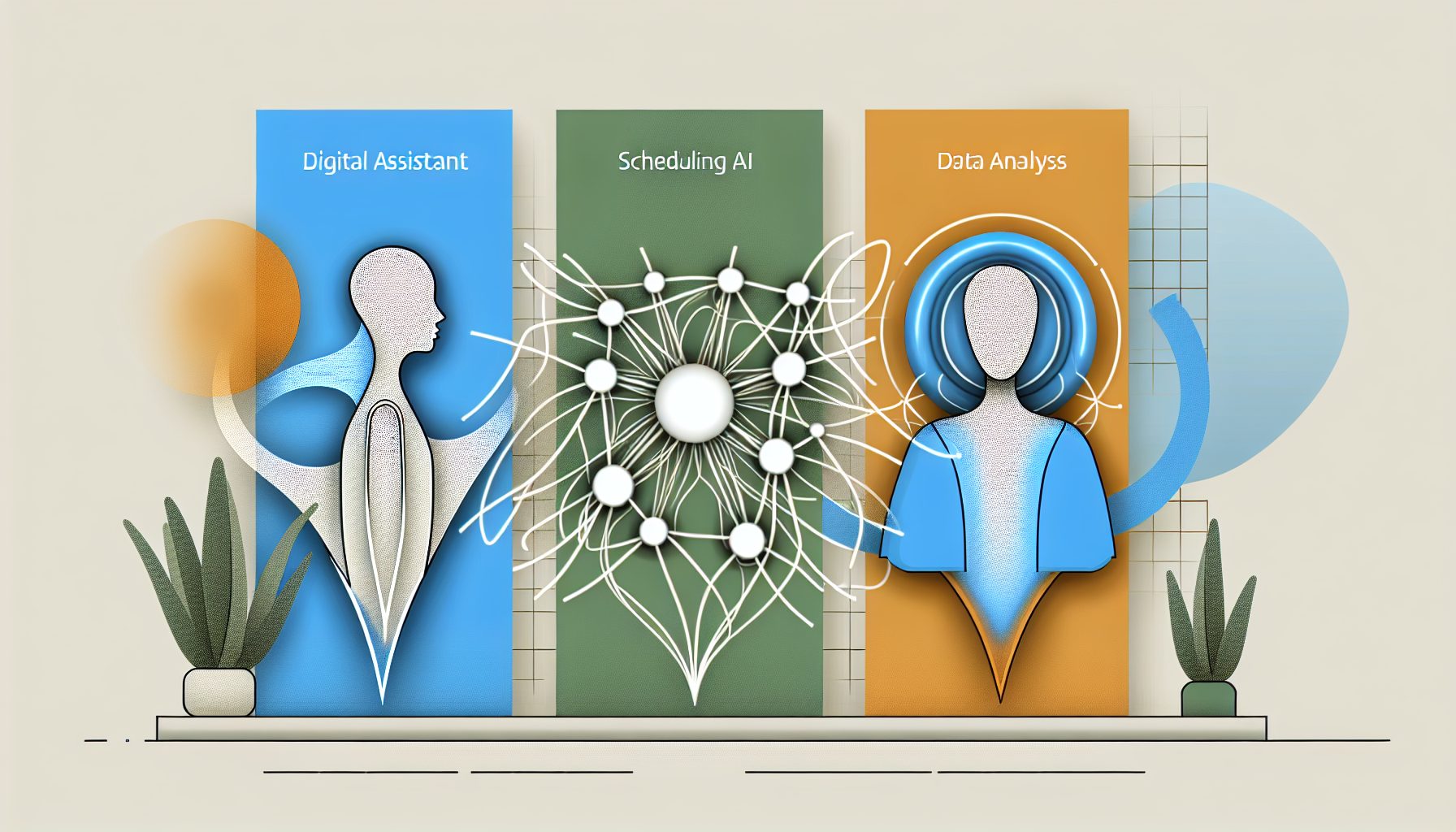
To understand the concept of Agent AI workflows, we must first clarify what these workflows entail. They involve multiple AI agents working in concert to accomplish complex objectives. For instance, envision a digital assistant that manages customer inquiries, a scheduling AI, and a data analysis agent, all collaborating harmoniously. However, the challenge arises in ensuring that these agents communicate effectively and operate in sync.
One significant hurdle is orchestration. Properly designing interactions between agents is imperative. Each agent may possess distinct capabilities and aligning them for cohesive operation requires careful thought and design. Furthermore, given the variability in their outputs based on their programming, inconsistencies can spur when not monitored diligently.
The presence of diverse AI agents can transform an environment into a source of confusion and inefficiency without a structured approach. Organizations risk wasting resources or compromising service quality if agents do not align effectively.
Solution / Approach
The pathway to resolving these challenges lies in meticulous prompt engineering. By crafting targeted ChatGPT prompts, we can effectively coordinate tasks among multiple agents. A well-designed prompt can instruct the ChatGPT agent to direct its efforts towards collaborating with other AI agents, ensuring that they leverage their individual strengths to deliver optimal results.
Delving into practical AI agent workflows is essential. By understanding how to create prompts that take into account the strengths and weaknesses of each agent, we facilitate cross-agent interaction and successful task completion. This method not only improves workflow efficiency but also enhances the performance quality of each individual agent.
Implementing effective prompts involves a systematic approach. Here are the essential steps:
- Identify the Goals: Begin by defining the primary objectives that agents must achieve.
- Assess Agent Capabilities: Familiarize yourself with the particular strengths of each agent involved in the workflow.
- Design Prompts with Interaction in Mind: Formulate prompts that foster information sharing and encourage collaboration among agents.
- Testing and Iteration: Continuously refine prompts based on performance outcomes to optimize collaborative tasks.
Concrete Example / Case Study
Consider an e-commerce company that utilizes three AI agents: a customer service chatbot, an inventory management agent, and an order fulfillment bot. The goal is to create a workflow where these agents can efficiently communicate to resolve customer queries related to product availability and order status.
When a customer service inquiry about a specific product comes in, the prompt for the chatbot could be structured as follows:
“You are a customer service representative AI. If you cannot provide the answer, please connect the inquiry to either the inventory management agent or the order fulfillment bot for further assistance.”
This prompt effectively guides the chatbot to involve other agents rather than attempting to resolve every inquiry independently. For instance, if a customer inquires about stock levels, the chatbot seamlessly passes the request to the inventory agent, which provides real-time data.
The key insight from this scenario highlights the significance of well-structured agent communication. By engineering effective prompts, the organization was able to noticeably enhance response times and customer satisfaction, ultimately leading to a boost in sales.
FAQ
1. What are the main benefits of using multi-agent workflows?
Multi-agent workflows bring substantial efficiency improvements by allowing distinct AI agents to specialize in varied tasks, resulting in faster response times and a higher quality of service. Additionally, they facilitate better resource allocation by capitalizing on each agent’s unique strengths.
2. How do I know if my AI agents are communicating effectively?
Effective agent communication can be monitored through performance metrics and outcome analysis. A unified workflow should yield improvements in task completion rates, enhanced customer satisfaction, and reduced error rates. Implementing consistent feedback mechanisms can further help in adjusting prompts and strategies as needed.
3. Can I integrate multi-agent workflows into existing systems easily?
Indeed, integration is feasible, but it demands thoughtful planning and execution. It’s vital to assess your current system capabilities, identify any existing gaps, and strategically develop prompts to integrate new AI agents into your workflows for optimal compatibility.
Authority References
For further reading and in-depth exploration, consider referencing the following resources:
Conclusion
Creating efficient workflows that involve multiple AI agents may present a unique set of challenges; however, the potential benefits are transformative. By concentrating on well-structured prompts and enhancing inter-agent communication, businesses can unlock unprecedented levels of efficiency and service quality. Embark on the journey to explore the dynamics of your own AI agent workflows today—your operational efficiency and customer service quality will greatly benefit.


Leave a Reply