
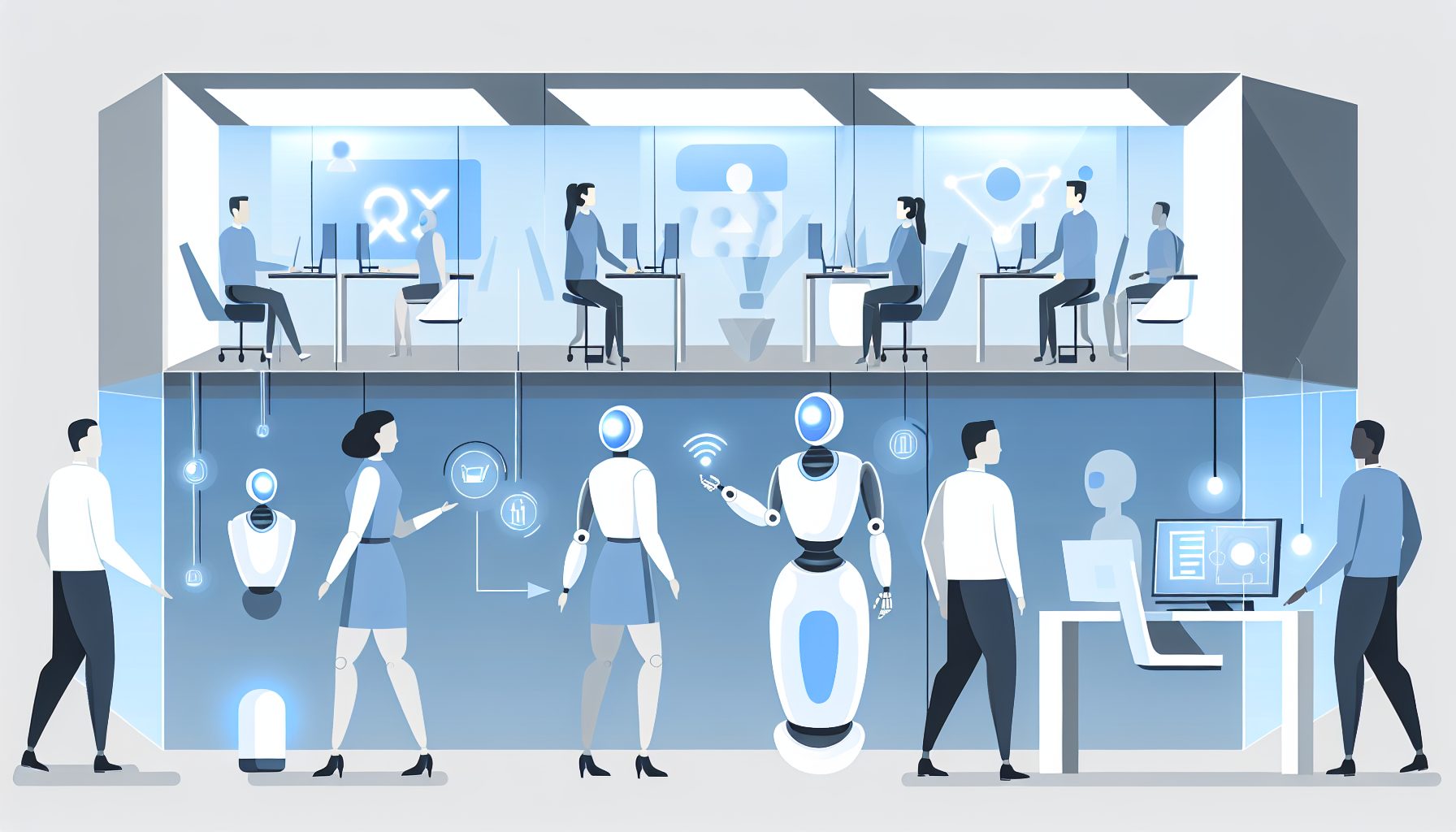
AI Agent Platforms 2026: Comparing Autonomous Agents, AI Orchestration, and Multi-Agent Toolchains for Streamlined Workflow Automation
As we step into 2026, the landscape of artificial intelligence continues to evolve at a breakneck pace. Among the many advancements, AI agent platforms are emerging as vital components for businesses looking to streamline their workflows. Whether through autonomous agents, AI orchestration platforms, or multi-agent toolchains, organizations now have dynamic solutions tailored to meet their operational needs.
Estimated Reading Time: 8 minutes
- Understanding AI agent platforms: Definitions and key components
- Navigating the complexities of selecting the right AI solution
- Real-world applications and case studies of multi-agent toolchains
- Best practices for successful implementation of AI platforms
- Insights on key considerations and metrics for evaluation
Table of Contents
- Context and Challenges
- Solution / Approach
- Concrete Example / Case Study
- FAQ
- Authority References
- Conclusion
Context and Challenges
AI agent platforms encompass a range of technologies designed to handle tasks traditionally requiring human intervention. An autonomous agent operates independently, making decisions based on predefined criteria without human oversight. In contrast, AI orchestration tools integrate various AI components to work cohesively. On the other hand, multi-agent toolchains leverage multiple agents to handle distinct tasks, enhancing scalability and efficiency.
However, navigating this ecosystem presents unique challenges. Organizations often grapple with understanding which platform best suits their needs. High complexity and varying costs can create barriers to entry, especially for smaller businesses. Moreover, the potential for data silos and miscommunication between systems can hinder implementation success, raising the stakes for incorrect choices.
Solution / Approach
Choosing the right AI agent platform depends largely on the specific needs of your organization. Autonomous agents are optimal for straightforward, repetitive tasks like scheduling meetings or data entry. In contrast, AI orchestration is more suitable for complex workflows requiring integration across various applications.
Multi-agent toolchains excel in environments needing adaptability, allowing specialized agents to tackle different tasks collaboratively. For a deeper dive into intelligent automation, you might find value by visiting Agent AI News, a resource exploring the latest in this space.
An effective strategy often involves beginning with a needs assessment to identify workflows suitable for automation. Once identified, pilot implementations can be launched using the chosen platforms. Testing these solutions in a controlled environment allows organizations to assess performance and ensure smooth operation before full-scale rollouts.
Concrete Example / Case Study
Consider a mid-sized marketing agency that regularly conducts social media campaigns. The agency faced challenges with manual scheduling and monitoring of posts across various platforms. By adopting a multi-agent toolchain approach, they segmented tasks into distinct agents: one for content creation, another for scheduling, and a third for analytics monitoring.
Through this segmentation, they achieved a streamlined workflow. Content creators could focus solely on crafting compelling posts, while scheduling agents managed the timing for optimal audience engagement. The analytics agent provided real-time insights on campaign performance, enabling continuous improvement. Ultimately, their overall productivity rose by 30%, showcasing how implementing a tailored solution can lead to significant operational efficiency.
FAQ
-
What factors should I consider when choosing an AI agent platform?
Consider scalability, integration capabilities, the complexity of tasks, and budget constraints. It’s essential to align the platform’s strengths with your specific business needs.
-
How can I measure the success of an AI agent platform?
Success can be measured using key performance indicators (KPIs) such as productivity improvement, reduction in errors, and return on investment (ROI). Establishing clear metrics before implementation is crucial.
-
Are there industries that benefit more from AI agent platforms?
Yes, industries such as marketing, customer service, and logistics tend to benefit greatly due to their reliance on data processing and repetitive tasks, making them ideal candidates for automation.
Authority References
For further reading on AI and automation technologies, you may refer to these authoritative sources:
- IBM: What is Artificial Intelligence?
- NIST: AI Risk Management Framework
- Forbes: Applications of Artificial Intelligence
Conclusion
AI agent platforms in 2026 offer diverse solutions to enhance workflow automation. Understanding the nuances between autonomous agents, AI orchestration, and multi-agent toolchains allows organizations to make informed decisions tailored to their operational needs. Companies willing to invest in the right technology stand to gain significant efficiencies that can drive growth and success in an increasingly competitive landscape.


Leave a Reply