
LLM Copilots vs. Multi-Agent Systems: A Practical Guide to Selecting an Autonomous Agent for Your Task Workflows
In the rapidly evolving landscape of artificial intelligence, choosing the right autonomous agent can feel overwhelming. The rise of LLM (Large Language Model) copilots and Multi-Agent Systems presents new opportunities and challenges for businesses looking to streamline their workflows. This guide aims to clarify the distinctions between these solutions, helping you make informed decisions for your specific needs.
Estimated Reading Time: 8 minutes
- Understand the key differences between LLM copilots and Multi-Agent Systems.
- Evaluate specific workflow requirements for your organization.
- Assess implementation complexities and how to integrate autonomous agents.
- Examine real-world use cases illustrating effective applications.
- Explore frequently asked questions surrounding these technologies.
Table of Contents
- Context and Challenges
- Solution / Approach
- Concrete Example / Case Study
- FAQ
- Conclusion
- Authority References
Context and Challenges
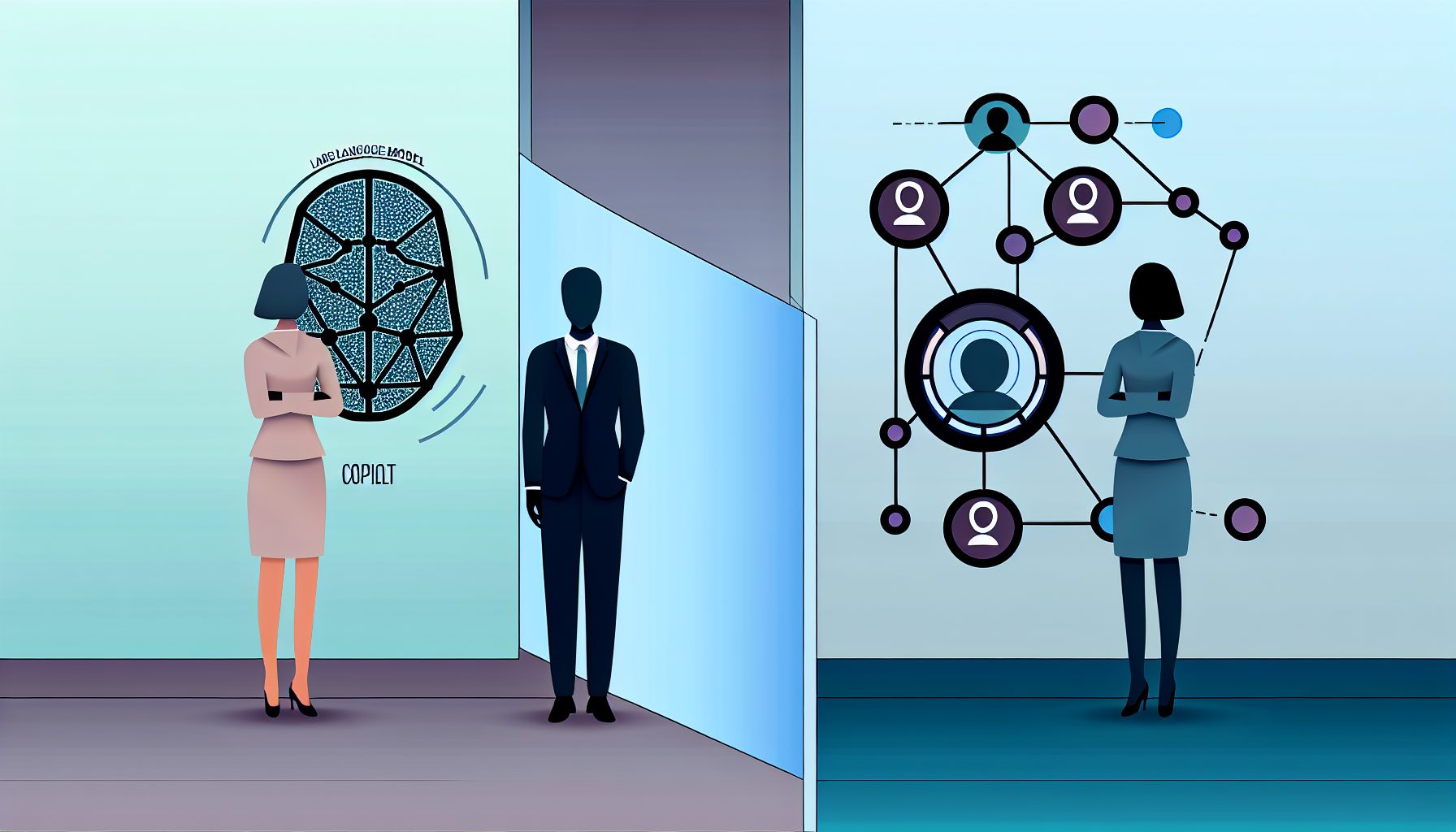
To understand the differences between LLM copilots and Multi-Agent Systems, it’s essential to define both concepts. LLM copilots, like those emerging from OpenAI and others, are designed to assist users by interpreting natural language input and providing responses that mimic human-like conversation. They can generate content, answer questions, and offer insights based on the data they have been trained on.
On the other hand, Multi-Agent Systems involve multiple autonomous agents that communicate and coordinate with one another to achieve specific goals. These systems can work together to solve complex problems, often drawing on their specialized capabilities. However, their implementation can be complicated due to the need for coordination, communication frameworks, and conflict resolution strategies.
The challenge lies in identifying which solution aligns better with your organizational goals. LLM copilots can be particularly effective for tasks requiring natural language understanding and generation, while Multi-Agent Systems shine in scenarios requiring complex task management and decentralization.
Solution / Approach
When deciding between LLM copilots and Multi-Agent Systems, consider the specific requirements of your workflows. If your primary need is to handle large volumes of text-based tasks, an LLM copilot might be your best bet. For example, they can aid in drafting reports, automating customer service interactions, or helping developers by interpreting and providing code snippets.
Conversely, if your tasks involve coordination among various subsystems—say, managing inventory, logistics, and customer support—then a Multi-Agent System could be more suitable. Each agent can take charge of its respective task and share information with others to optimize processes.
For insights into how these systems are being integrated into modern workplaces, Agent AI News offers valuable information on current trends and tools that can simplify these choices.
Concrete Example / Case Study
Let’s explore a practical scenario: a large e-commerce company is facing challenges in managing customer inquiries during peak seasons. They decide to implement an LLM copilot to handle basic queries about order statuses, return policies, and product information. By utilizing this copilot, the e-commerce platform could alleviate pressure on customer service representatives and reduce response times.
At the same time, they also need to manage inventory levels and shipping logistics. Here, they employ a Multi-Agent System where one agent monitors stock levels, another manages routing for deliveries, and a third oversees communications with customers about their orders. These agents work collaboratively, updating each other in real-time to ensure seamless operations.
The results were impressive: not only did customer satisfaction improve due to faster response times, but the efficiency of logistics also saw a significant uptick as agents shared crucial data to adapt to changing conditions.
FAQ
1. What are the key differences between LLM copilots and Multi-Agent Systems?
LLM copilots focus on natural language processing tasks and provide assistance through conversation, while Multi-Agent Systems consist of several agents that independently manage tasks and collaborate to achieve broader organizational goals.
2. Can I integrate both LLM copilots and Multi-Agent Systems in my workflows?
Yes, integrating both can be beneficial. LLM copilots can handle customer interactions, while Multi-Agent Systems can manage the operational side, facilitating a more extensive and efficient workflow.
3. What industries are best suited for Multi-Agent Systems?
Industries such as logistics, manufacturing, and healthcare can greatly benefit from Multi-Agent Systems due to the need for complex task management and real-time data sharing among various components.
Authority References
To deepen your understanding of LLMs and Multi-Agent Systems, consider exploring the following authoritative resources:
- A survey of multi-agent systems
- What is a large language model? – IBM
- Multi-agent systems: Challenges and robustness
Conclusion
Ultimately, the choice between LLM copilots and Multi-Agent Systems depends on the specific needs of your workflows. By understanding their unique advantages and limitations, you can select the right autonomous agent to enhance efficiency and effectiveness in your organization. As technology continues to advance, being strategic in your approach will help you stay ahead in optimizing your systems.


Leave a Reply